 GEAR
GEARRanked · 13 picks
Best Competitive Gaming Setup 2026
Eight pieces, ranked by how much each one changes what happens in a round. Mouse and surface first because they decide where the crosshair lands; lighting last because it decides nothing at all. Every entry lists what it gives up.
Published 30 August 2026 · Updated 30 August 2026Affiliate links
How this ranking is ordered
Not by price, and not by category. By how much each item changes what happens once the round starts.
Mouse and surface come first because together they decide whether the crosshair stops where you meant it to. The keyboard is third — not for actuation speed, which is marketing, but for the desk width a smaller board frees up. The headset is fourth because positional audio wins rounds you never see coming. The chair matters over hours, not seconds. Lighting changes nothing, and sits last for that reason.
What we do not claim
No product here will raise your rank. Hardware removes obstacles — a mouse that skips, a pad that lets the crosshair drift, a headset that muddies footsteps — it does not add skill. Anyone selling you the other story is selling you something.
We also publish no prices directly. Amazon prices move several times a day and a stale figure is misleading; the bands shown are editorial ranges, and the storefront is the only source that counts at the moment you buy.
The specs worth reading, and the ones that are noise
Worth reading: sensor model, mouse weight, pad friction class, switch type, driver size, microphone polarity, chair size range.
Noise: DPI ceilings above about 3200 — nobody competitive plays there; “gaming” memory profiles; polling rates past 1000 Hz for most setups unless matched with high-refresh panels; anything advertised in “maximum” terms without a sustained figure.
Building this in stages
If you are replacing a full setup, the order above is also the order to buy in. Mouse and pad together first — they are a system and swapping one without the other tells you nothing. Keyboard next if desk space is tight. Headset when the current one starts crackling. Chair when your back tells you. Lighting whenever.
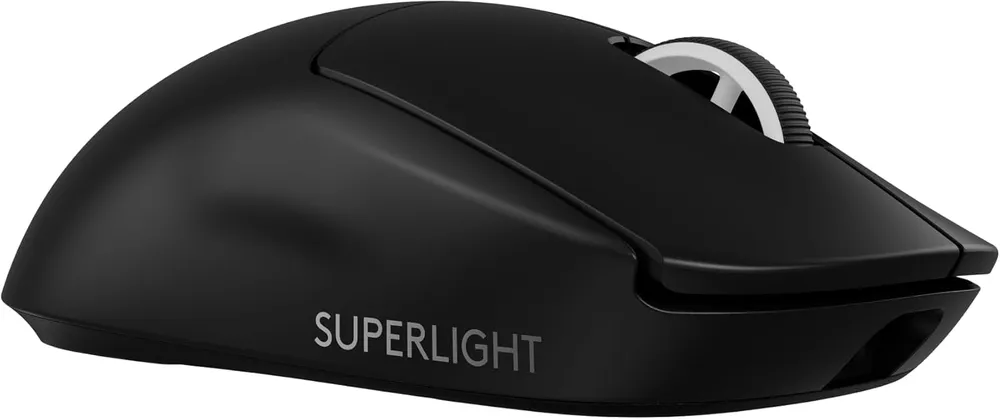
G Pro X Superlight 2
Logitech G
Sixty grams, a wireless link nobody has beaten on latency, and 8 kHz polling. This is the mouse the professional field converged on, and the reasons are boring in the best way.
- Weight
- 60 g
- Sensor
- HERO 2, 44 000 DPI
- Polling
- up to 8 kHz
- Charging
- USB-C
- Sixty grams with no honeycomb shell — the weight comes out of the internals, not out of holes you can feel
- LIGHTSPEED wireless measures faster end-to-end than most wired mice, which retires the cable argument entirely
No side buttons on the right flank, so left-handed players and anyone who binds four thumb keys is out
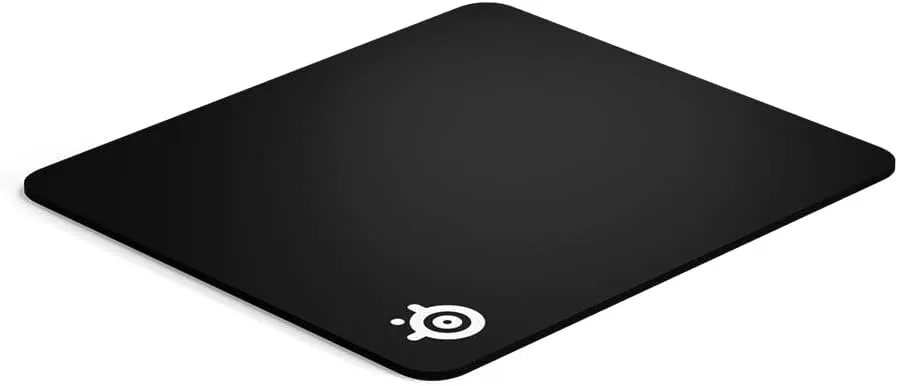
QcK Heavy L
SteelSeries
The pad that has been under professional mice for two decades, in its thick version. Six millimetres absorbs an uneven desk; it also raises the whole surface, which is the part nobody warns you about.
- Size
- 450 × 400 mm
- Thickness
- 6 mm
- Surface
- Micro-woven cloth
- Base
- Non-slip rubber
- Six millimetres flattens a warped or slotted desk, so the sensor sees one consistent surface
- Micro-woven cloth gives control-grade friction that stays predictable as it wears in
That thickness raises your wrist by 6 mm — on a desk already at the right height it forces a slight wrist extension
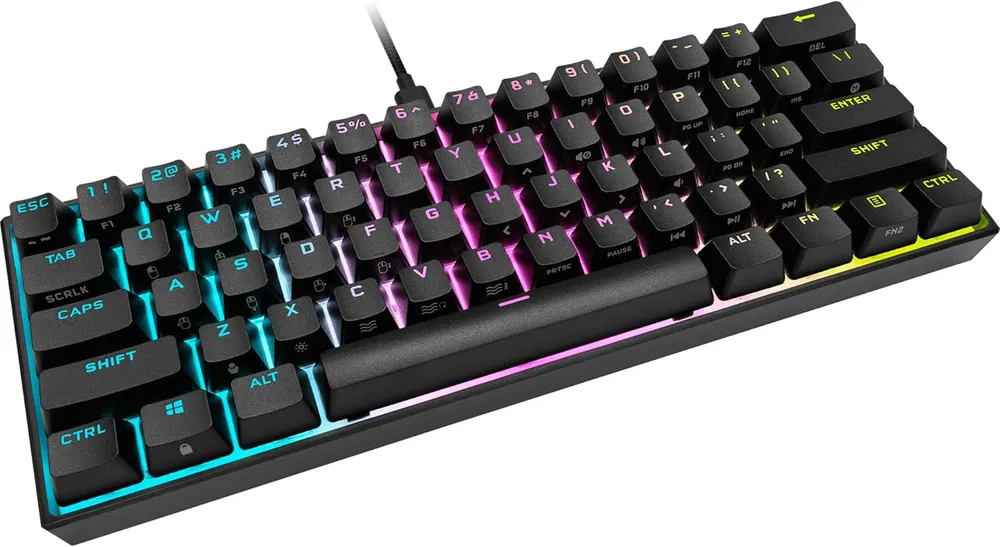
Corsair K65 RGB Mini
Corsair
A 60 % board with 8 000 Hz polling and Cherry switches, which is a lot of keyboard for the money. This particular listing ships the German QWERTZ layout — read that twice before ordering.
- Layout
- 60 % — QWERTZ (DE)
- Polling
- 8 000 Hz AXON
- Switches
- Cherry MX
- Cable
- Detachable USB-C
- AXON polls at 8 000 Hz, eight times the usual rate — the only sub-£100 board that does
- Detachable USB-C, so the board survives travel without a captive cable to destroy
This listing is the German QWERTZ layout: Z and Y are swapped and the symbols move — wrong board if you type on AZERTY or QWERTY
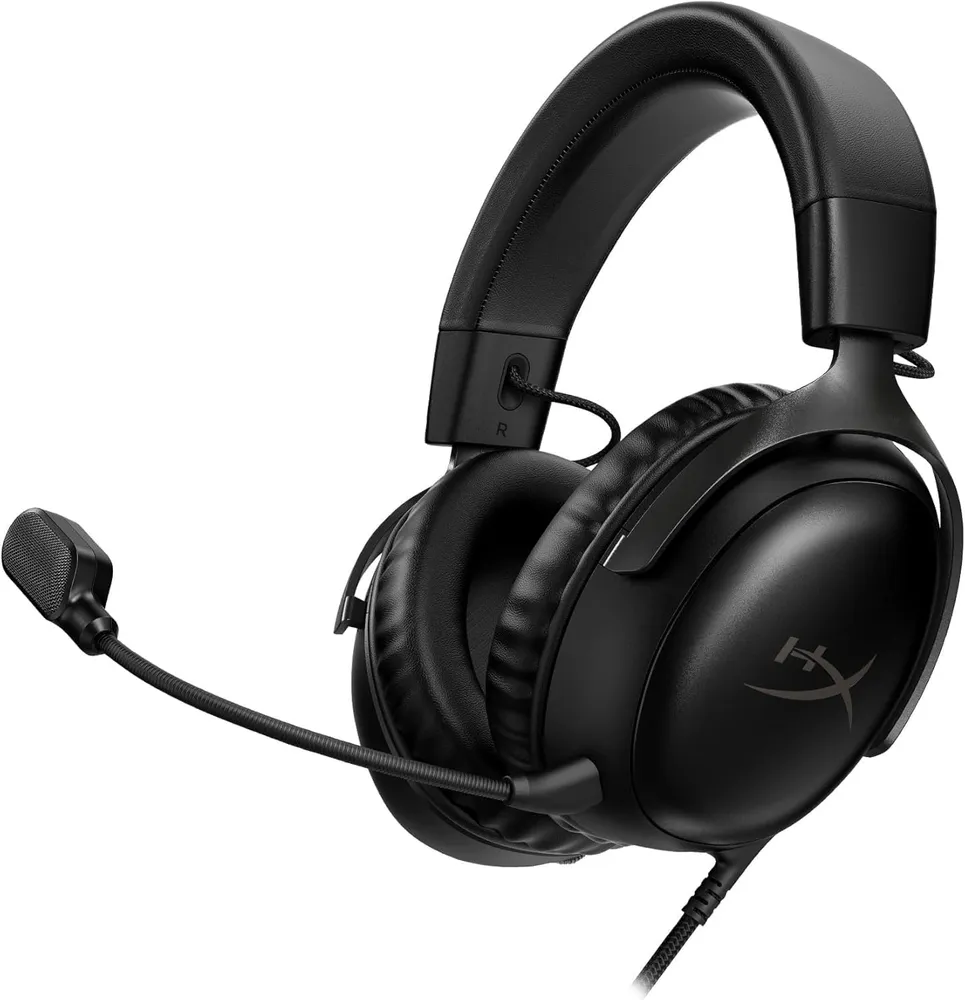
HyperX Cloud III
HyperX
Angled 53 mm drivers, a detachable mic that genuinely holds up on comms, and no battery to fail mid-match. The Cloud line earned its reputation on comfort, and the third generation did not spend it.
- Drivers
- 53 mm, angled
- Connection
- 3.5 mm / USB-C
- Mic
- 10 mm, detachable
- Padding
- Memory foam
- Drivers are angled toward the ear rather than firing flat, which sharpens left-right placement of footsteps
- Analogue 3.5 mm as well as USB-C: it works on the tournament PC, the console and the phone with no driver
Closed leatherette traps heat — after three hours your ears are warm and you know it
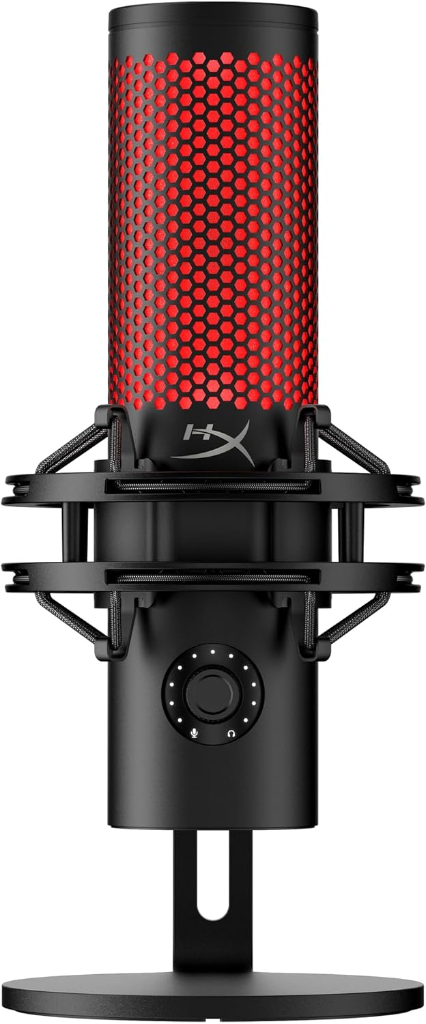
HyperX QuadCast 2 USB Mic
HyperX
The undisputed heavyweight of USB gaming microphones upgraded with refined 24-bit 96kHz audio, multi-function dial control, and signature lighting.
- Polar Patterns
- Stereo, Omni, Cardioid, Bi-directional
- Sample Rate
- 24-bit / 96kHz
- Features
- Tap-to-Mute, Shock Mount, RGB
- Studio-grade 24-bit/96kHz audio recording with 4 polar patterns
- Built-in anti-vibration shock mount and tap-to-mute sensor
Requires USB-C connection and NGENUITY software for full RGB customization
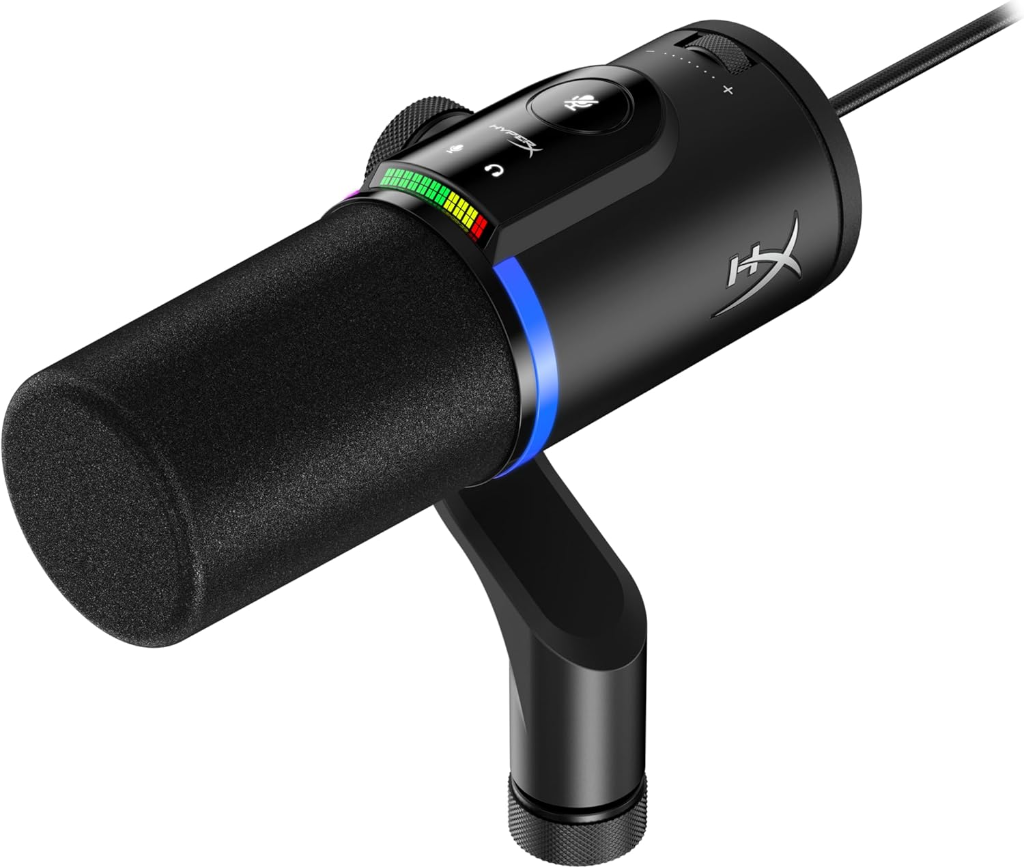
HyperX FlipCast USB/XLR Mic
HyperX
A broadcast-quality dynamic microphone combining zero-friction USB plug-and-play with XLR upgradeability for pro audio setups.
- Capsule
- Dynamic Cardioid
- Connection
- USB-C & XLR Dual Output
- Controls
- Volume Knob, Mute Sensor, Jack
- Dual USB-C and XLR connections for immediate use and future gear growth
- Dynamic capsule tuned for rich, warm vocal presence with off-axis rejection
Slightly heavier than plastic USB condenser mics
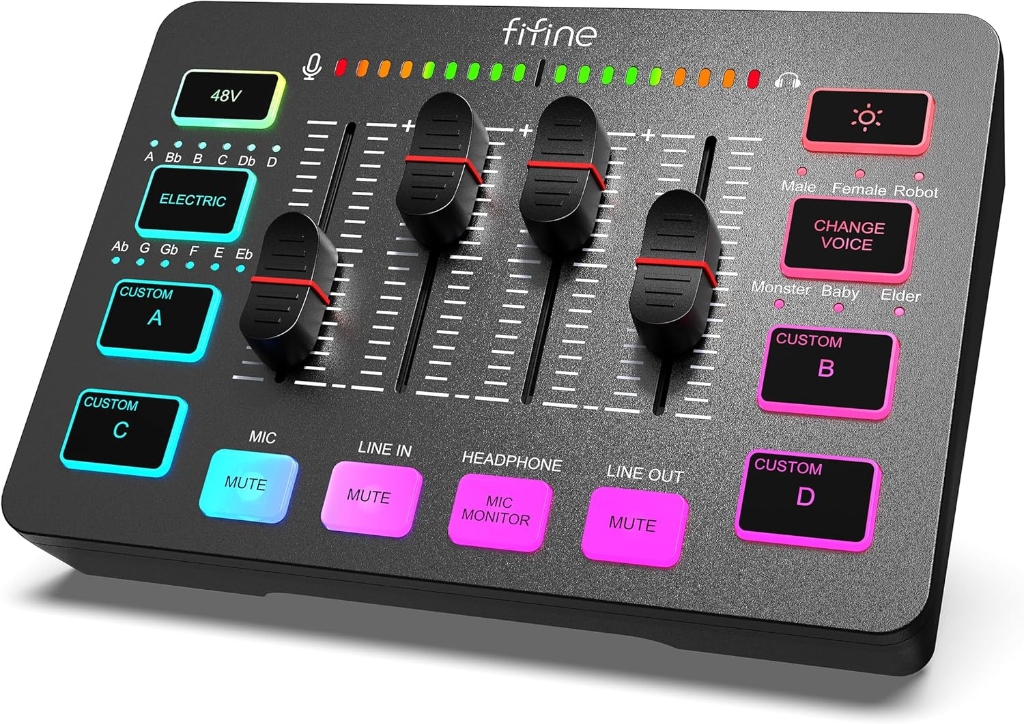
FIFINE SC3 Audio Mixer PC
FIFINE
An essential all-in-one audio control station bringing studio XLR 48V power and individual channel volume faders at a budget-friendly price.
- Phantom Power
- 48V XLR Input
- Faders
- 4 Independent Channels
- Effects
- Voice Changer & Custom Soundboard
- Built-in 48V phantom power supporting condenser and dynamic XLR mics
- 4 independent audio channels with physical volume faders and mute buttons
Compact plastic chassis lightweight on desk (rubber feet keep it steady)
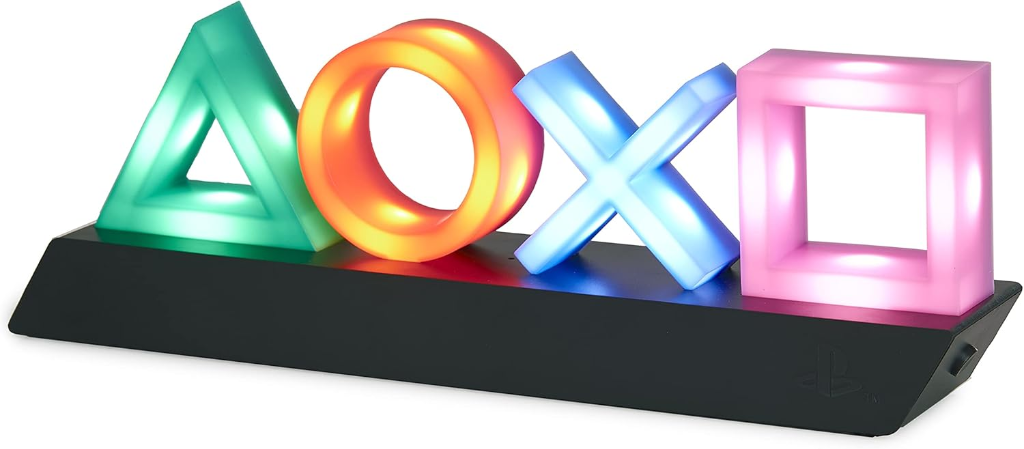
Paladone PlayStation Icon Light
Paladone
The quintessential PlayStation desk ornament featuring reactive RGB modes and iconic symbol styling for gaming room ambiance.
- Lighting Modes
- 3 (Standard, Phasing, Music Reactive)
- Power
- USB Cable or 3x AAA
- Width
- 30 cm
- Official PlayStation licensed product with iconic triangle/circle/cross/square symbols
- 3 dynamic light modes including reactive music pulsing
Battery mode drains quickly if left turned on continuously overnight
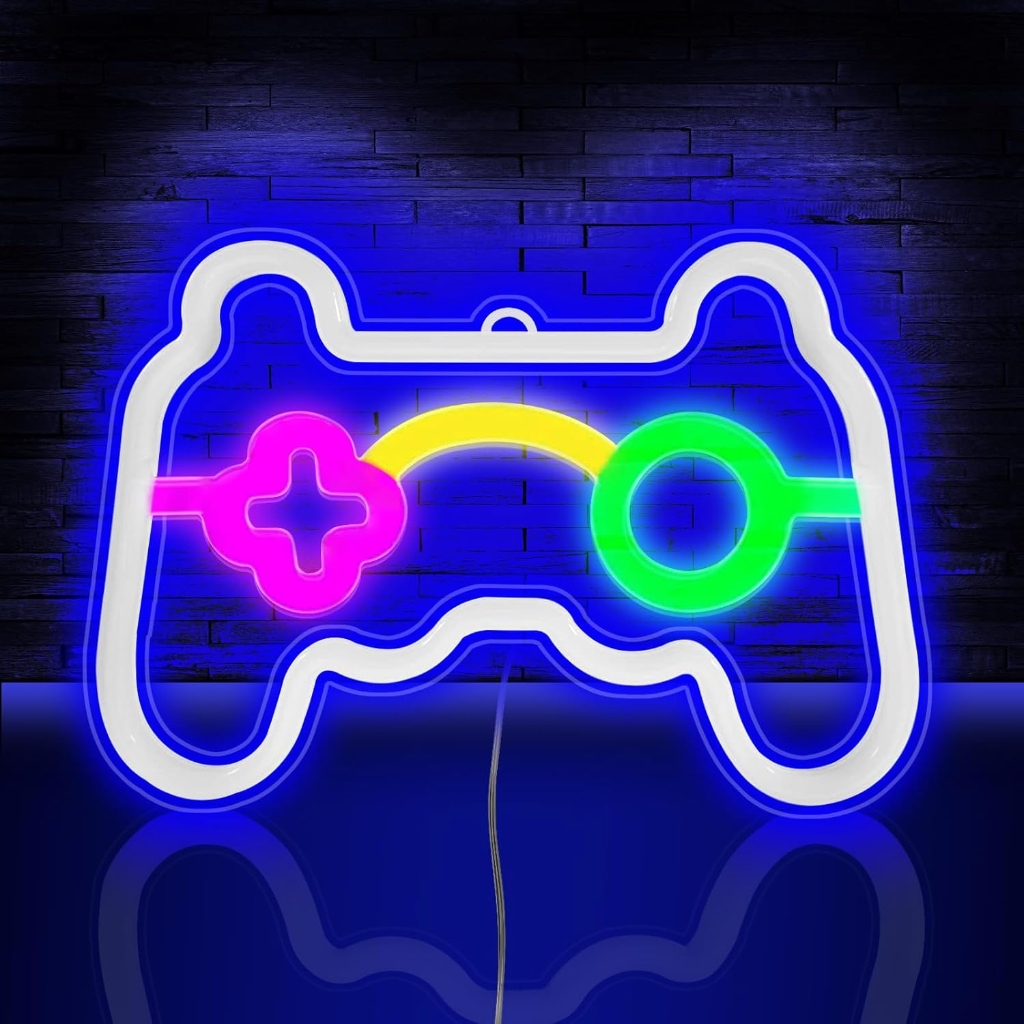
HOTUT LED Gamepad Neon Sign
HOTUT
An eye-catching LED controller neon sign that turns any bare wall into a professional stream-ready gaming zone backdrop.
- Power Source
- 5V USB (Switch Cable)
- Mounting
- Pre-drilled Hanging Holes
- Illumination
- Flexible Silicone LED Neon
- Vibrant multicolor LED neon tubing with cool gamepad silhouette
- Low-voltage 5V USB powered with built-in power switch
Does not include a USB wall power adapter brick
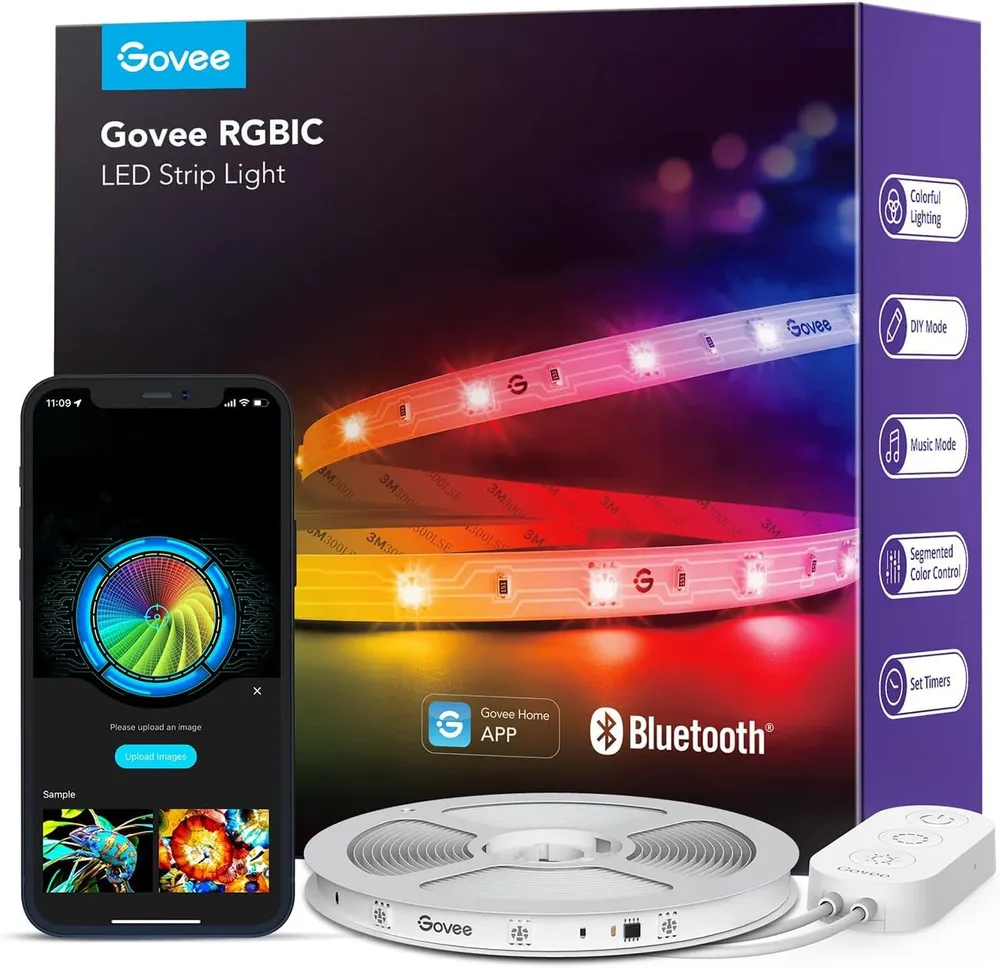
Govee RGBIC 5 m
Govee
Five metres with real segment control, which is the specification that separates this from the single-colour reels it sits next to on the shelf. Decoration, sold honestly as decoration.
- Length
- 5 m
- Tech
- RGBIC, segment control
- Modes
- 64 scenes, music sync
- Control
- App
- RGBIC drives sections independently, so gradients and travelling effects work instead of the whole run pulsing one colour
- Sixty-four scene presets means you are not building lighting from a colour wheel every time
The adhesive backing is single-use — reposition it once on painted wall and it stops holding
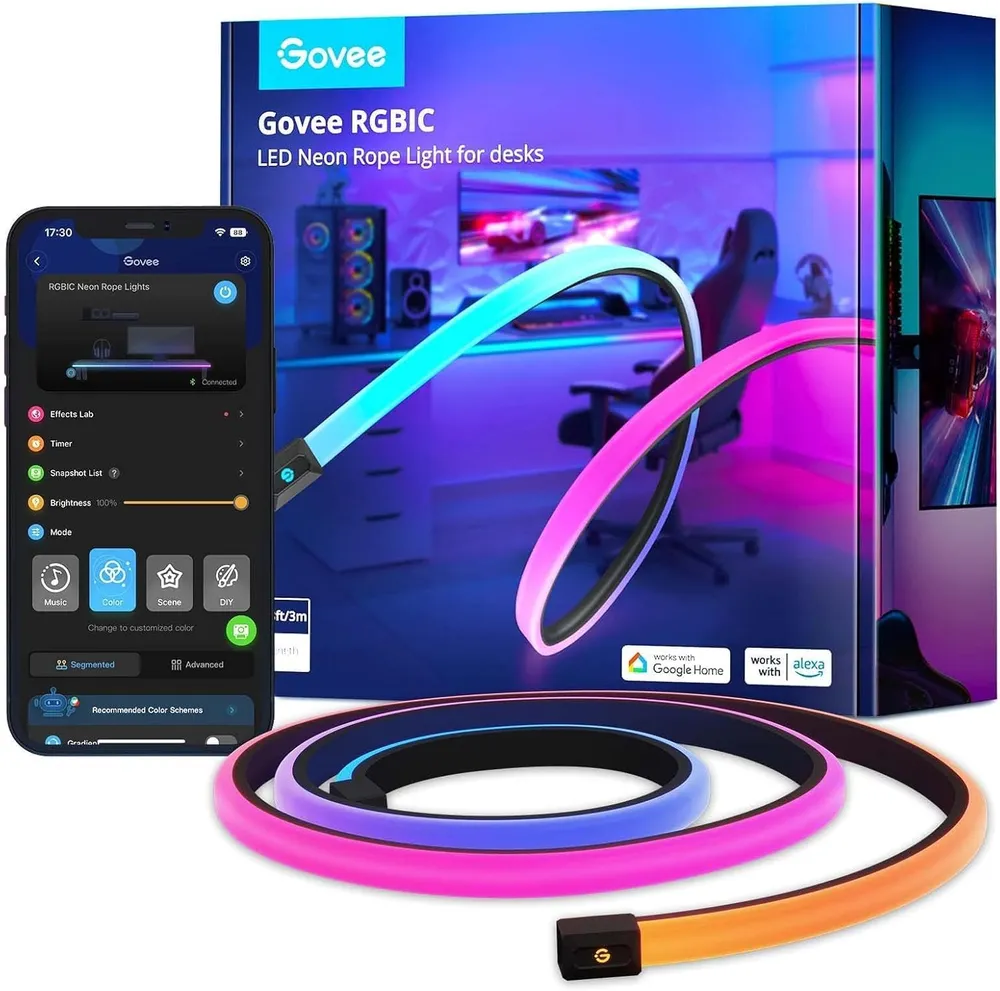
Govee Neon Rope 3 m
Govee
A silicone diffuser turns the LED line into a continuous glow with no visible hot spots, and it bends into shapes a flat strip cannot hold. This is the one lighting product here that looks deliberate rather than added.
- Length
- 3 m
- Tech
- RGBIC neon rope
- Sync
- Razer Chroma
- Control
- App, Alexa, Google
- The diffuser hides the individual LEDs entirely — the result reads as a neon tube, not as a strip
- Bends and holds shape, so it can trace a monitor arm or spell a shape instead of following a straight edge
Three metres disappears fast once you start tracing shapes rather than running straight lines
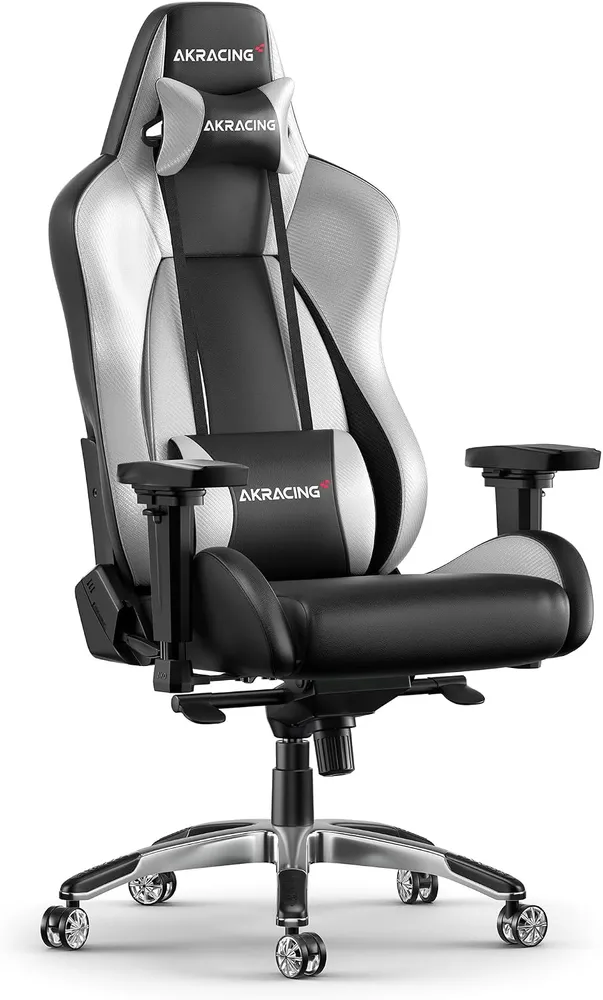
AKRacing Masters Premium
AKRacing
A steel frame warranted for ten years, cold-cured foam that does not flatten in a season, and an aluminium base rated to 150 kg. It is a racing seat, with everything that implies about how you have to sit in it.
- Load rating
- 150 kg
- Recline
- 180°
- Armrests
- 4D, removable
- Warranty
- 5 yr parts / 10 yr frame
- Ten years on the frame and five on parts — the manufacturer is underwriting the component that actually fails
- Cold-cured foam holds its shape far longer than the cut sheet foam used lower down the price list
Bucket seat: the raised side bolsters hold you square, and fight you the moment you sit cross-legged
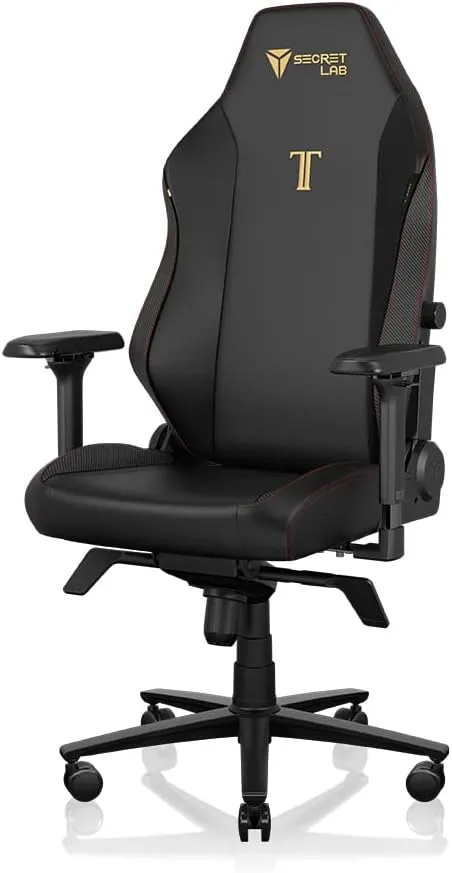
Secretlab Titan Evo XL
Secretlab
The lumbar system is built into the backrest and adjusts in four directions, which is the one genuine ergonomic advance in this category. The XL exists for players over 180 cm — order it under that and you have bought the wrong chair.
- Fits
- 180 – 206 cm
- Load rating
- 79 – 179 kg
- Seat depth
- 49 cm
- Lumbar
- Integrated, 4-way
- Lumbar adjusts in and out as well as up and down, from a dial on the side — no cushion to keep repositioning
- Magnetic head pillow attaches and detaches without straps, so it never slides down the backrest
The XL is genuinely large — below about 180 cm the seat pan is too deep and the backrest curve lands too high
FAQ
Frequently asked
Does a lighter mouse actually improve aim?
Below roughly 80–90 g the difference is measurable in how quickly you can reverse direction, which matters most on wide low-sensitivity flicks. Above that threshold the effect flattens out. What matters more than absolute weight is shape consistency and zero-lag wireless performance.
Is 1000 Hz polling enough, or do I need 4000 or 8000 Hz?
1000 Hz means one position report per millisecond. Moving to 4000 or 8000 Hz (like on the Corsair K65 Mini or high-polling mice) cuts frame delay further. The gain is subtle on high-refresh monitors, but ensures no input packet collision occurs during intense movement.
60 % or TKL for competitive play?
The decision is desk width, not key count. At 400 or 800 DPI with a low in-game multiplier a 180° turn is an arm movement. A 60 % board frees roughly 40 % more desk width than a tenkeyless, which is the space that movement needs.
Are wireless headsets a latency problem in competitive games?
Modern 2.4 GHz wireless and high-end wired headsets (like the HyperX Cloud II) eliminate latency concerns. What matters is driver tuning for footstep audio cues and passive isolation to block room noise during clutch situations.
Does a gaming chair matter for performance?
Indirectly, and only over long sessions. What changes results is holding a consistent position — if you slide down, your arm angle to the mouse changes, and so does your aim. A chair that keeps your hips square does that.
Does RGB lighting affect gameplay?
No. The one defensible claim is bias lighting: a moderate light behind the monitor narrows the contrast between a bright screen and a dark wall, which reduces pupil strain during long sessions.